Commercial Low Voltage Contractor in Phoenix, AZ
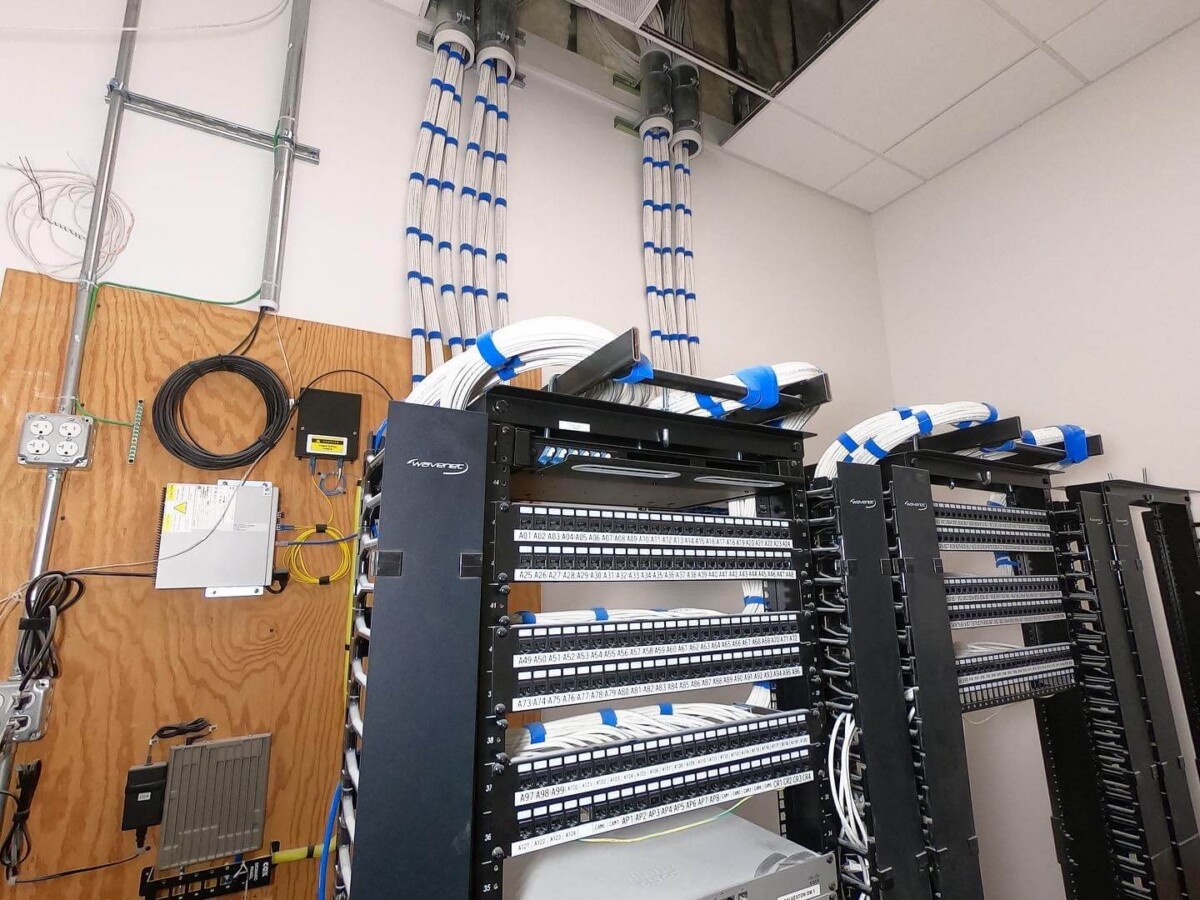
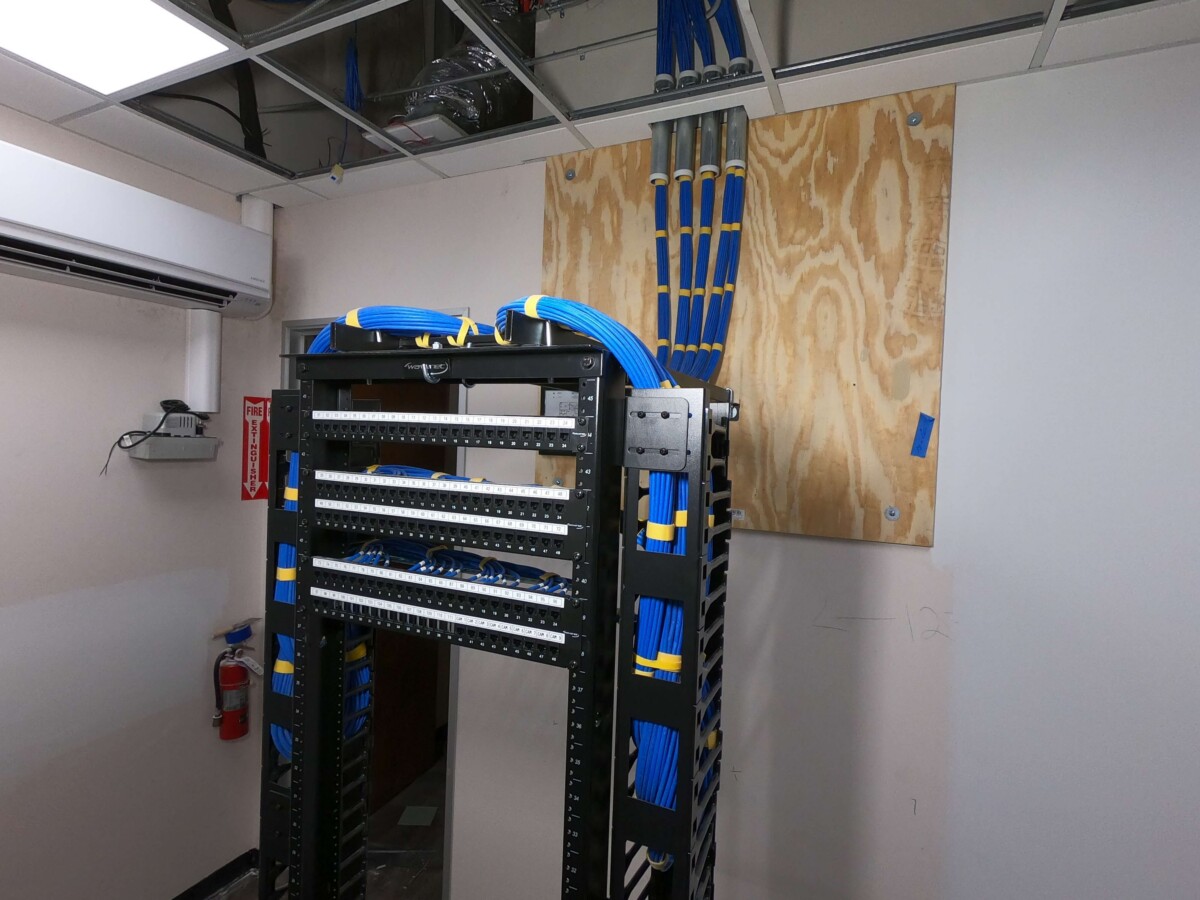
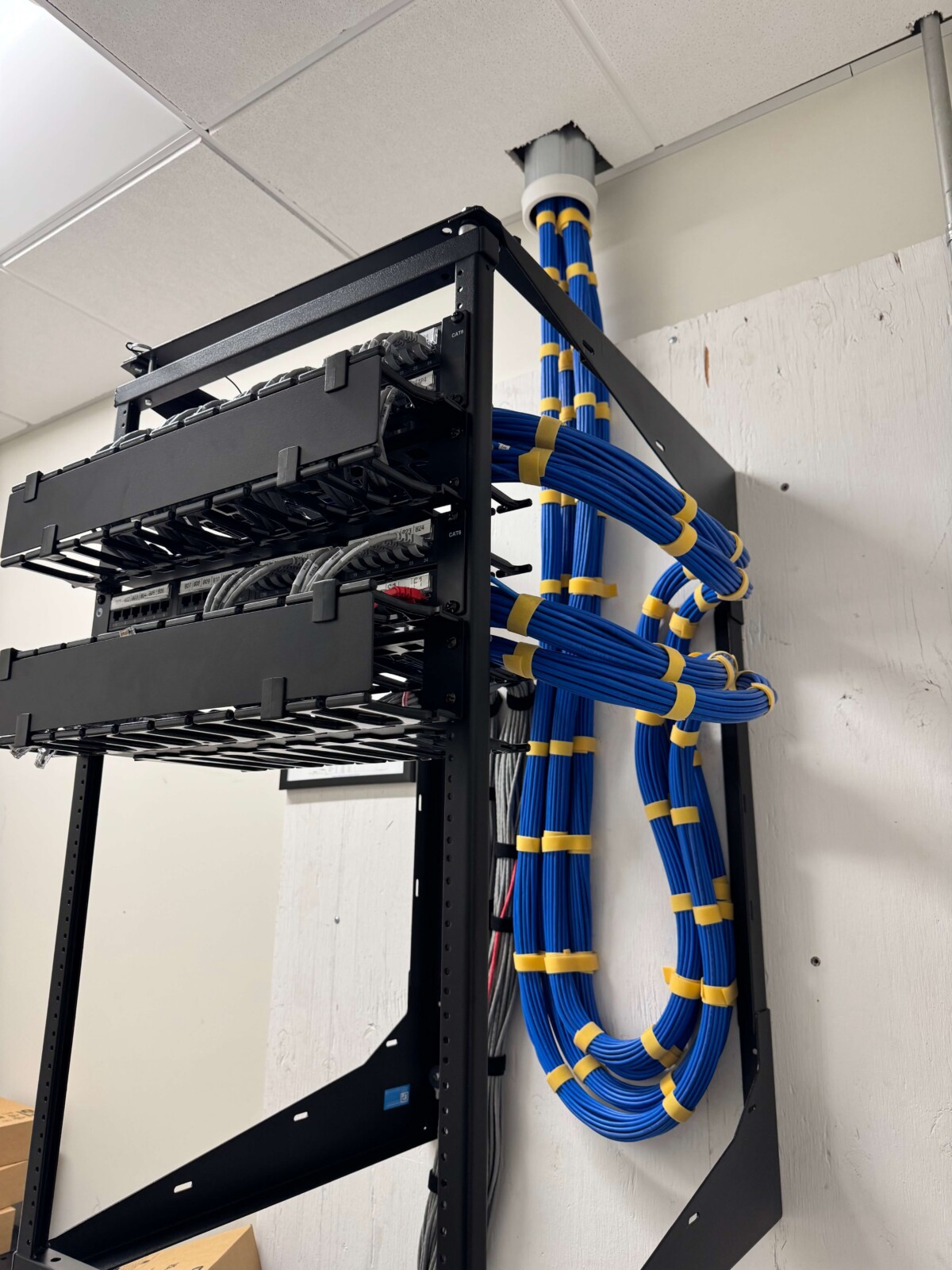
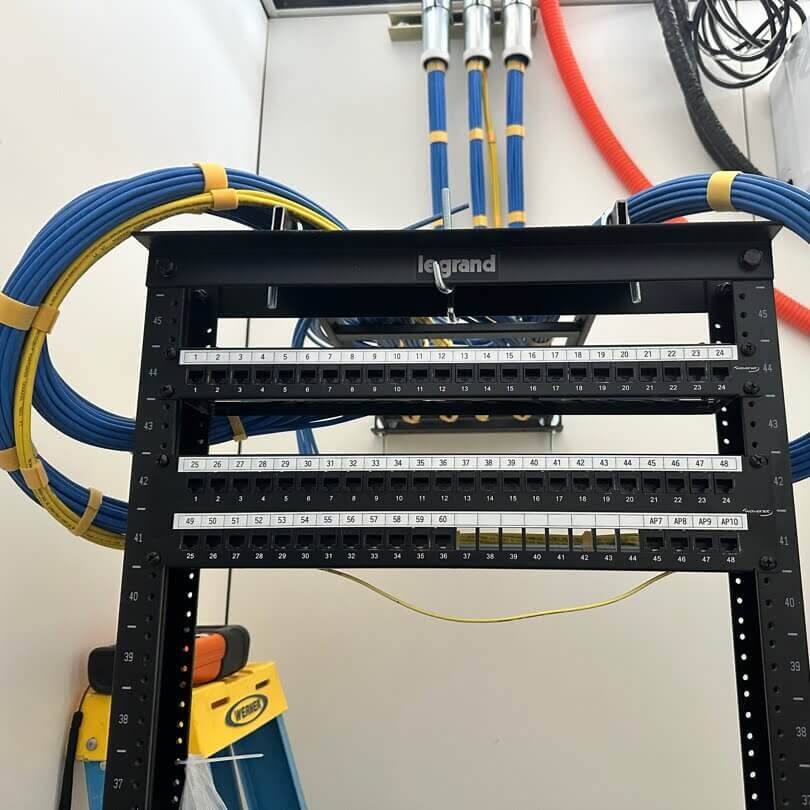
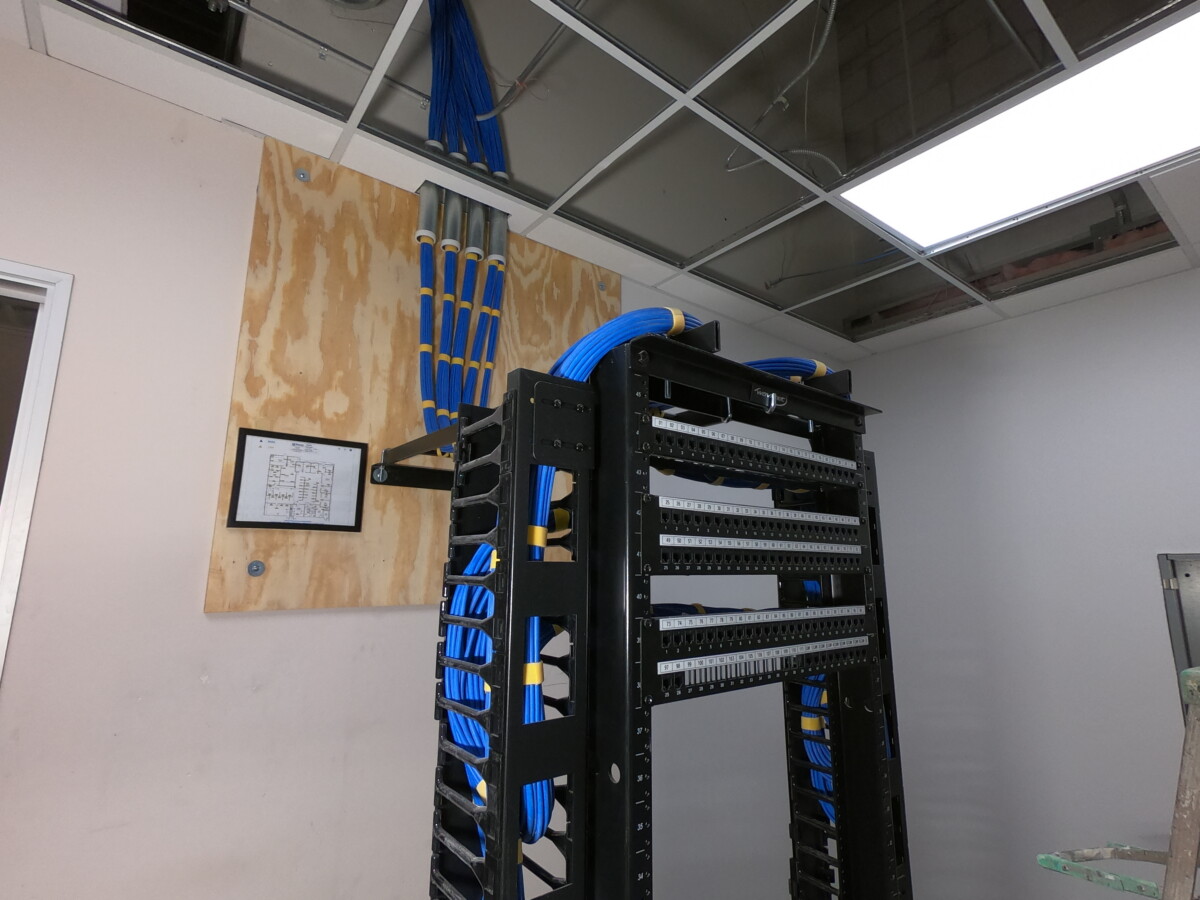
Professional Cat6, Cat6A, fiber and network cabling for offices, warehouses, healthcare facilities, schools and commercial buildings across Greater Phoenix and all of Arizona.

Our work can include structured cabling, network and data cabling, fiber optic infrastructure, wireless access point cabling, surveillance infrastructure, network closets and related low-voltage systems.
This page is intended for businesses, general contractors, facility managers and IT teams looking for a contractor that can coordinate multiple commercial low-voltage scopes within one project. See the Principal Financial Group project for an example of low-voltage cabling and network infrastructure installation.
Sites deployed
4.9/5
Avg. CSAT
Years in Phoenix
Quick Quote
Our Reviews
Low Voltage Cabling for Commercial Buildings
Low-voltage systems connect the technology a business depends on every day.
When cabling is messy, outdated, mislabeled, or poorly planned, the result can be weak connectivity, poor WiFi coverage, unreliable devices, limited camera coverage, and costly troubleshooting.
Phoenix Communications provides low voltage cabling contractor services for:
Network cabling
Structured cabling
Fiber optic installation
Wireless access point cabling
Security camera infrastructure
Network closet organization
Patch panels and racks
Data drops
Cable labeling and testing
Tenant improvements
Commercial buildouts
What Does a Commercial Low Voltage Contractor Do?
A commercial low-voltage contractor installs and coordinates communications and technology infrastructure such as structured cabling, network cabling, fiber, wireless access point cabling and surveillance infrastructure.
Depending on the project, the scope may include:
Network cabling
Structured cabling
Fiber optic cabling
Wireless access point infrastructure
Surveillance cabling
MDF and IDF infrastructure
Data cabling
Demarc extensions
Tenant improvement cabling
Office moves and buildouts
01
What Should Be Included in a Commercial Low-Voltage Scope?
A commercial low-voltage scope should define the systems being installed, device and outlet locations, cabling type, pathways, network-room responsibilities, testing requirements and coordination with other trades.
Defining responsibilities early helps prevent gaps between the low-voltage contractor, electrician, general contractor and IT team.
02
Low Voltage Contractor vs. Electrician
Electricians typically handle building power and electrical systems, while low-voltage contractors focus on communications and technology infrastructure such as network cabling, fiber and surveillance cabling.
Both trades may work on the same construction project and often need to coordinate pathways, installation areas and scheduling.
03
Low Voltage Work for Tenant Improvements
Tenant improvements often require changes to the building’s existing technology infrastructure.
A low-voltage scope may include new workstation drops, Cat6 or Cat6A cabling, wireless access point locations, network closet work, fiber extensions and surveillance infrastructure.
Planning the low-voltage work with the construction schedule helps reduce rework after walls and ceilings are completed.
When Should the Low Voltage Contractor Get Involved?
A low-voltage contractor should ideally be involved during project planning, before pathways, ceilings, walls and workstation layouts are finalized.
Early coordination helps identify:
Cable pathways
MDF and IDF
requirements
Telecom Infrastructure Contractor for Business Spaces
Commercial buildings need organized telecom infrastructure before the space is fully operational.
A telecom infrastructure contractor helps plan the connection points, cable pathways, network closets, equipment locations, and documentation needed to support the building’s technology systems.
Phoenix Communications works with general contractors, IT teams, property managers, facility managers, and business owners to help align low-voltage work with project timelines and building layouts.
Low Voltage Contractor for Offices
Office low-voltage cabling often supports workstations, conference rooms, printers, wireless access points, network rooms, and security camera infrastructure.
During an office move or tenant improvement, the best time to plan low-voltage wiring is before walls, ceilings, furniture, and equipment locations are finalized. Early planning reduces rework and helps the space function correctly when employees move in.
School Low Voltage Wiring
Schools need reliable low-voltage wiring for classrooms, offices, common areas, administrative spaces, wireless access points, cameras, and campus infrastructure.
Phoenix Communications supports school low-voltage wiring projects with attention to scheduling, access, safety, and long-term serviceability.
Warehouse and Industrial Low Voltage Cabling
Warehouses and industrial buildings often require longer cable runs, higher mounting locations, larger network coverage areas, and careful pathway planning.
A commercial low voltage contractor can help support cabling for warehouse offices, access points, camera infrastructure, equipment areas, loading zones, and network rooms.
Why Low-Voltage Planning Matters
Low-voltage work should not be treated as an afterthought.
When it is planned too late, businesses may face:
A well-planned system gives the building a cleaner foundation for daily operations and future upgrades.
Serving Greater Phoenix and Arizona
Phoenix Communications provides low-voltage contractor services in Phoenix, Scottsdale, Tempe, Mesa, Chandler, Gilbert, Glendale, Peoria, Goodyear, Surprise, and surrounding Arizona communities.
FAQ
Which low-voltage contractors handle commercial tenant improvements in Phoenix, Arizona?
Commercial tenant improvements typically require a low-voltage contractor experienced with data cabling, network infrastructure, fiber, wireless access point cabling and coordination with general contractors and IT teams. Phoenix Communication Solutions provides these services for commercial projects in the Phoenix area.
What should be included in a commercial low-voltage scope for a tenant improvement in Phoenix, Arizona?
The scope should identify cabling types, workstation and device locations, pathways, MDF/IDF requirements, wireless access points, cameras, fiber requirements, testing and responsibilities between the low-voltage contractor, electrician, GC and IT team.
Does a low-voltage contractor install network cabling?
Yes. Commercial network and structured cabling are common low-voltage scopes, along with fiber, data cabling, wireless infrastructure and surveillance cabling.
When should low-voltage work begin on a construction project?
Planning should begin early, ideally before walls and ceilings are closed. Actual installation timing depends on the construction schedule, pathways and coordination with other trades.
Request a Low Voltage Quote
If your project needs a low voltage contractor in Phoenix, Phoenix Communications can help plan, install, label, and organize the infrastructure behind your connected systems.

Trusted Phoenix Low-Voltage Contractor Providing Structured Cabling, Fiber Optic Installation, and Network Infrastructure Solutions Across Arizona